
The Critical Role of Data Sentinels in Data Governance Systems
In today’s complex business environment, data governance systems are no longer optional. They are essential frameworks that ensure data integrity, security, and compliance across organisations. As companies in the resource sector and large corporates in southern Africa and beyond navigate digital transformation, the role of data governance becomes increasingly critical. Within this landscape, the concept of data sentinels emerges as a pivotal element in safeguarding data assets and enabling effective decision-making.
Understanding Data Governance Systems and Their Importance
Data governance systems provide the structure and policies necessary to manage data as a strategic asset. These systems define who can access data, how it is used, and the standards for maintaining its quality. For senior executives, the value of robust data governance lies in its ability to reduce risk, improve operational efficiency, and support regulatory compliance.
In the resource sector, where data flows from exploration, production, and environmental monitoring, governance systems must handle vast volumes of information with precision. Poor data governance can lead to costly errors, regulatory penalties, and reputational damage. Conversely, well-implemented systems enable companies to leverage data for competitive advantage, optimise resource allocation, and enhance stakeholder trust.
Key components of effective data governance systems include:
Data stewardship: Assigning responsibility for data quality and security.
Policy enforcement: Ensuring adherence to data handling standards.
Audit and compliance: Tracking data usage and regulatory alignment.
Technology integration: Utilising tools that support data management and analytics.

The Strategic Value of Data Governance Systems in Corporate and Resource Sectors
Data governance systems are not merely technical frameworks; they are strategic enablers. For decision-makers, these systems provide confidence that data-driven insights are reliable and actionable. This is particularly vital in sectors such as mining and energy, where operational decisions depend on accurate, timely data.
Implementing data governance systems delivers tangible outcomes:
Enhanced decision-making: Reliable data supports predictive analytics and scenario planning.
Risk mitigation: Controls reduce exposure to data breaches and compliance failures.
Operational efficiency: Streamlined data processes reduce duplication and errors.
Regulatory compliance: Systems ensure adherence to local and international data laws.
For example, a mining company operating in Botswana can use data governance to monitor environmental impact data, ensuring compliance with national regulations while optimising resource extraction. This dual benefit protects the company’s licence to operate and improves sustainability outcomes.
What are the 5 C's of Data?
Understanding the 5 C's of data is fundamental to building effective governance systems. These principles guide how organisations manage and leverage their data assets:
Correctness: Data must be accurate and free from errors. Incorrect data leads to flawed analysis and poor decisions.
Completeness: All necessary data should be captured and available. Missing data can create blind spots.
Consistency: Data should be uniform across systems and time. Inconsistent data undermines trust.
Currency: Data must be up-to-date. Outdated information can mislead decision-makers.
Clarity: Data should be clearly defined and understandable. Ambiguity reduces usability.
Applying these principles ensures that data governance systems maintain high-quality data, which is essential for operational excellence and strategic insight.
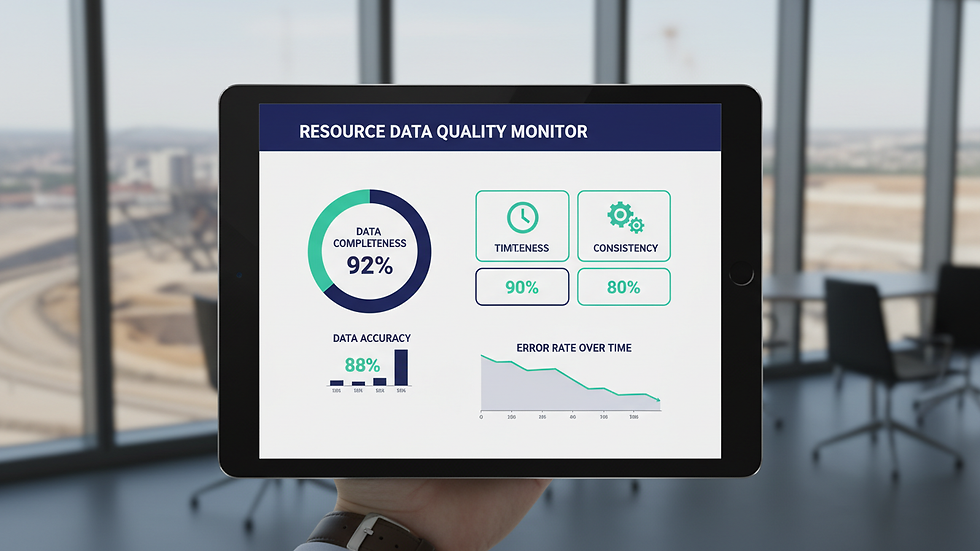
The Role of Data Sentinels in Safeguarding Data Integrity
Within the architecture of data governance, data sentinels serve as vigilant guardians. These are specialised roles or automated systems tasked with monitoring data flows, detecting anomalies, and enforcing compliance with governance policies.
Data sentinels perform several critical functions:
Continuous monitoring: They track data usage and flag irregularities in real time.
Policy enforcement: They ensure that data access and handling comply with established rules.
Incident response: They initiate corrective actions when breaches or errors occur.
Reporting and audit: They provide transparency through detailed logs and compliance reports.
For senior executives, the presence of data sentinels translates into reduced risk and enhanced confidence in data-driven initiatives. In resource-sector companies, where data breaches or inaccuracies can have severe operational and environmental consequences, these sentinels are indispensable.
To implement effective data sentinels, organisations should:
Define clear roles and responsibilities for data oversight.
Invest in automated monitoring tools that integrate with existing systems.
Establish protocols for incident management and escalation.
Foster a culture of accountability and continuous improvement.
Practical Steps to Strengthen Data Governance Systems
Building and maintaining robust data governance systems requires deliberate action. Here are practical recommendations for senior leaders:
Conduct a data governance maturity assessment
Evaluate current capabilities and identify gaps in policies, technology, and personnel.
Develop a comprehensive data governance framework
Define roles, responsibilities, policies, and standards aligned with business objectives.
Invest in technology that supports governance
Choose platforms that enable data lineage tracking, access control, and quality monitoring.
Empower data stewards and sentinels
Assign accountable individuals and deploy automated systems to oversee data integrity.
Implement training and awareness programmes
Ensure all employees understand their role in data governance and compliance.
Regularly review and update governance policies
Adapt to evolving regulatory requirements and business needs.
By following these steps, organisations can transform data governance from a compliance exercise into a strategic asset that drives value.
Embracing Data Governance for Sustainable Growth
The evolving digital landscape demands that organisations treat data as a critical resource. Effective data governance systems, supported by vigilant data sentinels, are essential to managing this resource responsibly. For senior executives in the corporate and resource sectors, investing in these systems is an investment in resilience, agility, and long-term success.
As companies in southern Africa and beyond pursue digital transformation, the ability to govern data effectively will distinguish leaders from laggards. By prioritising data governance, organisations not only protect themselves from risk but also unlock new opportunities for innovation and growth. The path forward is clear: robust data governance systems are foundational to navigating the complexities of today’s data-driven world.


Comments